How Weather Impacts the Need for Roof Repairs
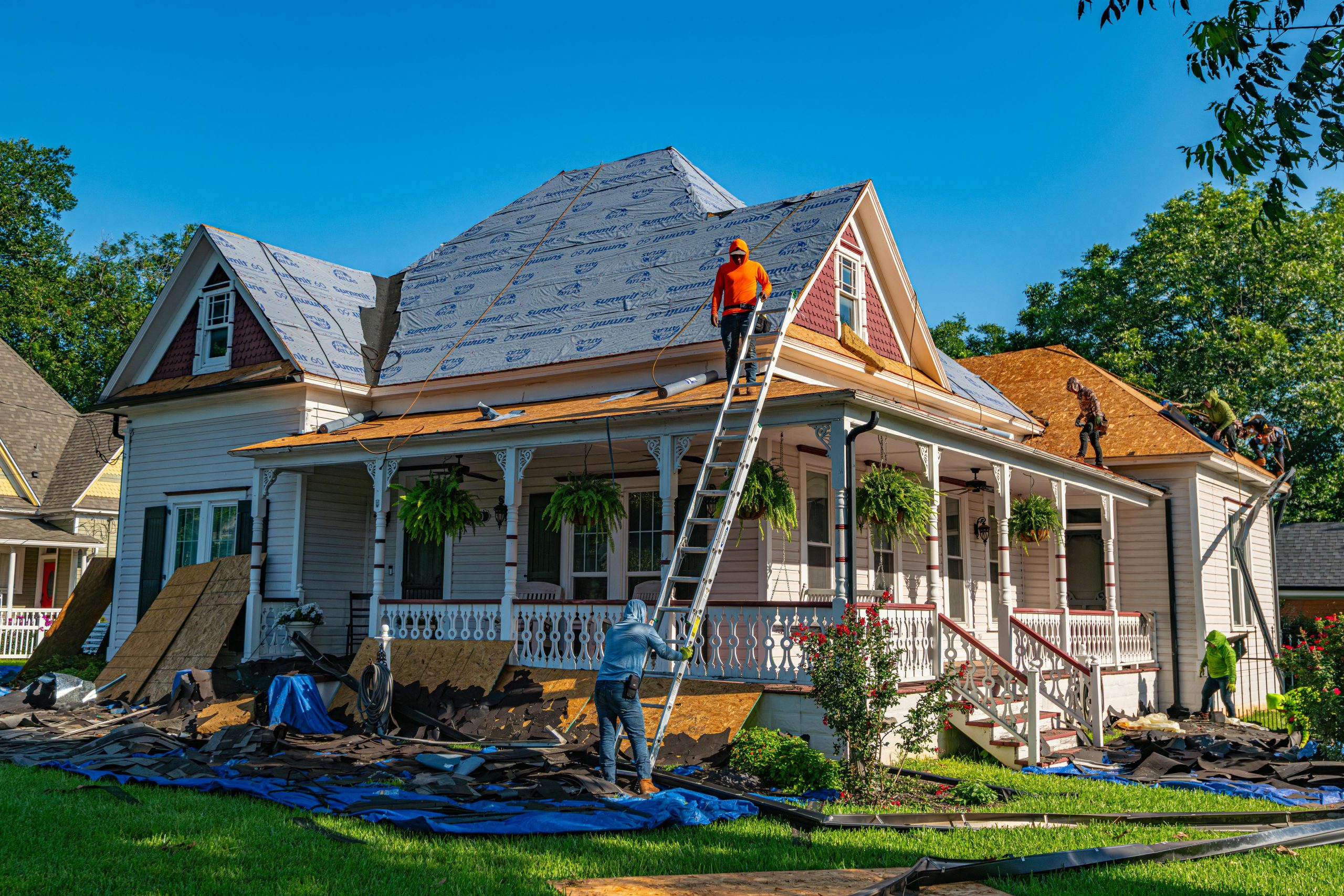

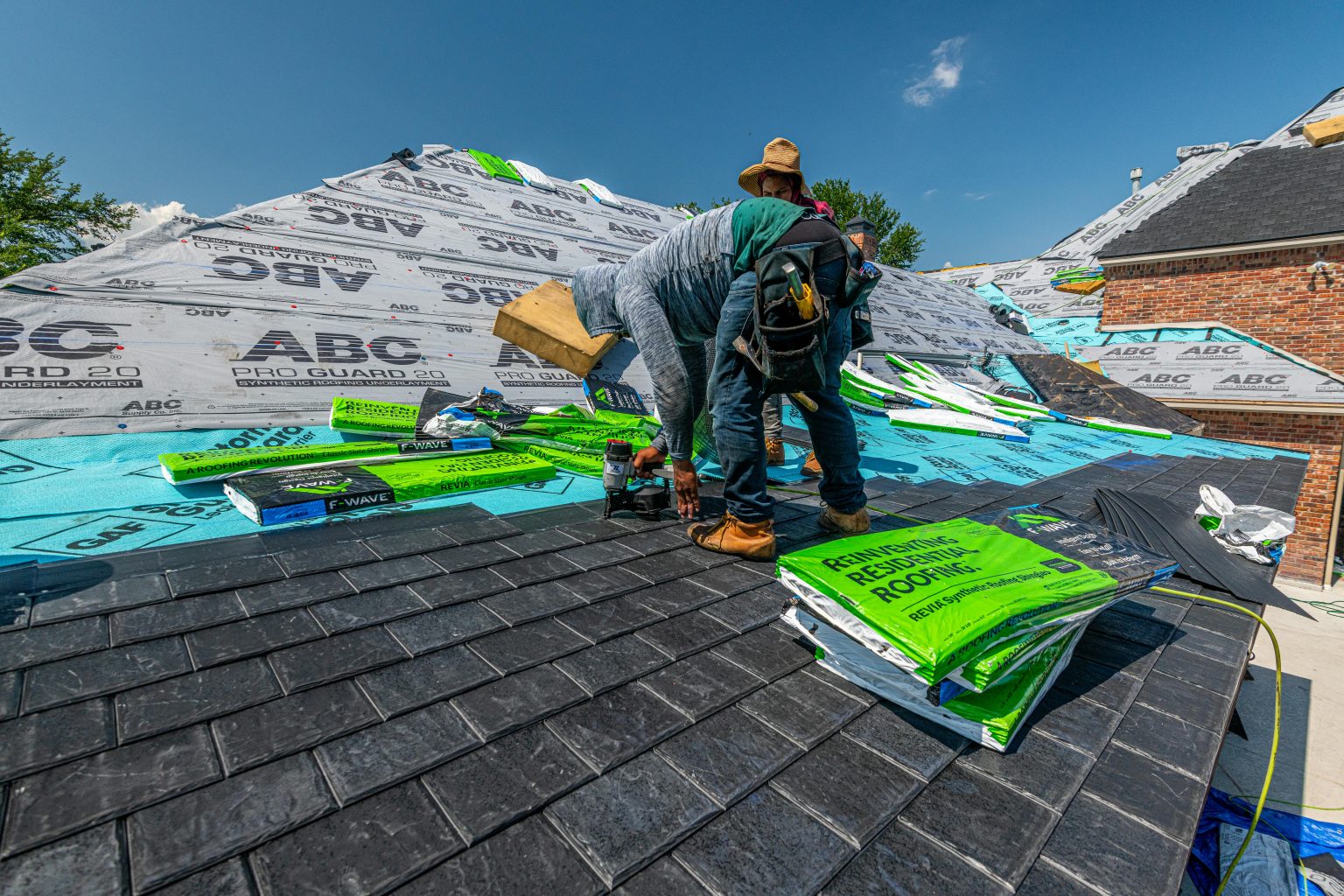
A roof rarely fails all at once. More often, it wears down in layers, season by season, storm by storm, until a small weakness becomes an expensive repair. Homeowners usually notice the final symptom, a ceiling stain, a draft in the attic, a shingle in the yard, but the real story started earlier, with weather doing slow, steady work.
That is why roof repairs are so closely tied to climate and seasonal patterns. Roofing materials live outdoors without a break. They bake in heat, expand in sunlight, contract in the cold, shed water, hold snow, absorb wind pressure, and resist debris impacts. Every weather event leaves a mark, even when the damage is not immediately visible from the ground.
After years around roofing projects, one pattern shows up again and again: the need for repairs is not just about the age of the roof. It is about the kind of weather the roof has endured, how often it has endured it, and whether the original system matched the local conditions. A 12 year old roof in a mild climate may be in better shape than a 6 year old roof exposed to hail, extreme heat, coastal salt, and repeated freeze-thaw cycles.
The roof is a weather system before it is a building material
People often think of roofing as a layer of shingles or tiles. In practice, it is a system made up of surface materials, underlayment, flashing, sealants, vents, fasteners, decking, and drainage details. Weather tests each part differently.
Rain exposes weaknesses in flashing and penetrations. Wind tests the bond and fastening pattern of the covering. Heat accelerates aging in asphalt and some sealants. Cold makes brittle materials more likely to crack. Snow adds weight, and ice can force water backward under materials that were designed to shed it downward. Sunlight, especially ultraviolet exposure, slowly breaks down compounds that look perfectly fine until they are touched or stressed.
This is why two leaks in the same neighborhood can come from completely different causes. One roof may have missing shingles after high winds. Another may still look intact but leak around a plumbing vent because the boot dried out under years of sun exposure. A third may develop trouble at a valley where ice damming pushed meltwater under the roof covering during a deep winter freeze.
Rain does not create every problem, but it reveals most of them
When a roof leaks during a storm, people tend to blame the rain itself. Usually, the rain is just the test that exposed an existing vulnerability. Water is excellent at finding gaps. It follows gravity, wind pressure, capillary action, and the path of least resistance through tiny openings.
Steady rainfall can uncover worn sealant around vent stacks, deteriorated chimney flashing, or nail pops that have lifted shingles enough to let water in. Wind-driven rain is even more revealing because it does not always fall straight down. It can be pushed upslope or sideways, especially around dormers, wall intersections, skylights, and roof valleys.
One of the most misleading situations occurs when the leak shows up far from the actual entry point. Water can travel along rafters, insulation, or the underside of decking before it appears in a ceiling below. That is why a stain in a bedroom does not necessarily mean the problem is directly overhead. A careful inspection often traces the issue several feet away, sometimes all the way to flashing near a chimney or a poorly sealed roof penetration.
Heavy rain also exposes drainage issues. Gutters that overflow because of debris, undersized downspouts, or poor slope can force water back toward the fascia and roof edge. Over time, that repeated soaking can rot wood components and create conditions that call for more than simple roof repairs.
Wind is one of the fastest routes to sudden damage
Wind does two kinds of damage. The first is obvious, shingles torn off, tiles displaced, metal panels loosened, tree limbs dropped across the roof. The second is subtler and often more important. Wind can break the seal strips on asphalt shingles, lift edges just enough to crease them, or loosen flashing that will not leak until the next rain.
Once a shingle has been creased by uplift, it has effectively been compromised. It may sit back down and look acceptable from the yard, but the structural integrity has changed. That area is much more vulnerable in the next storm. Homeowners are often surprised to hear that a roof can be “damaged but not leaking yet.” In windy climates, that is common.
Roof geometry also matters here. The corners, ridges, eaves, and rakes of a roof tend to experience higher uplift pressures than the field areas. A roof that is mostly fine across its broad center can still suffer concentrated damage at edges and transitions. That is where experienced inspectors spend extra time after a wind event.
On older roofs, wind damage is often tied to age-related brittleness. Shingles that have lost flexibility cannot tolerate uplift the way newer shingles can. When a contractor tries to lift a tab to inspect or reseal it, the material may crack rather than bend. At that point, repair options become narrower, and homeowners sometimes face the decision between localized work and a larger replacement strategy.
Hail damage is not always dramatic, but it shortens roof life
Hail creates some of the most disputed roof repair conversations because the damage is not always visible to an untrained eye. Large hail can fracture tiles, dent metal, and bruise asphalt shingles. Smaller hail may only dislodge granules or create impact points that weaken the shingle mat over time.
The challenge is that not every round mark is hail, and not every hail strike justifies major repairs. Foot traffic, manufacturing variation, blistering, and mechanical damage can be mistaken for hail by inexperienced observers. At the same time, real impact damage can be understated because the roof still appears watertight immediately after the storm.
On asphalt shingles, a bruised area may lose granules and expose the underlying asphalt to accelerated weathering. It might not leak that week or even that season, but it can age faster than the surrounding roof and become the weak point later. On metal roofing, dents may be partly cosmetic, but not always. If seams, locks, or flashing details are distorted, performance can be affected.
In regions where hail is routine, the need for roof repairs tends to become cyclical. A roof may sustain moderate damage multiple times over a decade, with each event taking a little more service life away. This cumulative wear matters, particularly when insurance, maintenance history, and future resale value enter the picture.
Heat and sun age roofing materials from the top down
Many owners associate roof damage with storms and overlook what prolonged summer heat does to roofing systems. High temperatures accelerate oxidation, dry out sealants, and increase thermal movement. The hotter the roof surface gets, the more strain every component sees.
Dark asphalt roofs can become extremely hot under full sun, especially in southern and western exposures. Day after day, that heat can drive off the lighter oils in asphalt shingles, making them more brittle over time. Granule loss becomes more likely. Adhesive strips may weaken. Rubber boots around plumbing vents can crack. Caulks that once looked smooth can split and pull away from metal edges.
Attics amplify this problem when ventilation is poor. Heat trapped under the roof deck can raise material temperatures further, affecting not only the shingles above but also the sheathing and fasteners below. I have seen repairs that looked like isolated flashing failures turn out to be part of a broader heat-related aging problem. The roof was not “defective” so much as exhausted by chronic high temperatures and inadequate airflow.
Sun exposure also affects different slopes differently. South-facing and west-facing roof planes usually weather harder than shaded or north-facing sections. That uneven aging can create a patchwork roof, with one side still serviceable and the other showing obvious wear. It is one reason repair estimates sometimes seem inconsistent from one section of the roof to another.
Cold weather changes the rules
Winter does not just bring snow. It changes how roofing materials behave. Asphalt shingles, for example, become less flexible in low temperatures. Sealants harden. Rubber components stiffen. Any existing weakness is more likely to turn into a crack under stress.
Freeze-thaw cycles are especially hard on roofs. Water enters a small gap during a thaw, then freezes as temperatures drop. Ice expands, widening the opening. Repeated cycles can enlarge tiny defects into meaningful entry points. Flashing joints, masonry interfaces, and older sealant lines are common trouble spots.
Ice dams deserve special mention because they often lead to frustrating repair calls. Snow melts over warmer parts of the roof, flows downward, and refreezes at colder eaves. That ridge of ice traps water behind it. Since shingles are meant to shed water, not hold standing water uphill, meltwater can work its way under the roof covering and into the house. The homeowner sees a leak and assumes the shingles failed, but the deeper issue may be insulation gaps, air leakage from the house, or inadequate attic ventilation.
Snow load itself can also be an issue, especially on low-slope sections, older structures, or roofs with preexisting framing concerns. Most modern roofs in snowy climates are designed with local conditions in mind, but drifting can create uneven loads. Valleys and roof transitions collect more snow than open planes. If the roof already has soft decking or moisture damage, those heavy loads can turn a repair into a structural concern.
Coastal weather adds a different kind of stress
Homes near the coast face a mix of wind, moisture, and salt exposure that ages roofing systems differently than inland weather does. Salt-laden air can accelerate corrosion on metal components, especially exposed fasteners, flashings, and lower-grade hardware. Even where the main roofing material holds up well, the accessories may fail first.
Coastal storms also bring prolonged wind-driven rain. It is not unusual for a roof in these areas to perform well in ordinary showers and still leak during tropical conditions because the pressure and angle of rainfall are so different. Details that seemed adequate under normal weather Roof Repairs are suddenly tested at a much higher level.
For this reason, roof repairs in coastal zones often focus heavily on edge securement, flashing integrity, and corrosion-resistant materials. A repair that might be fine inland can have a short life near the water if the materials are not chosen carefully.
Small weather-related warning signs that deserve attention
Many serious leaks begin with subtle clues that are easy to ignore. Spotting them early often means the difference between a modest repair and a major project involving insulation, drywall, or decking replacement.
- Shingles that appear lifted, creased, or out of alignment after wind
- Granules collecting in gutters or at downspout exits
- Ceiling stains that darken after storms or snowmelt
- Cracked sealant around vents, chimneys, or skylights
- Sagging gutters or overflowing edges during heavy rain
None of these signs automatically means the whole roof is failing. They do mean the roof is asking for a closer look.
Why some roofs need repairs sooner than neighbors do
The weather may be the same across a street, but the repair history can be very different from house to house. Installation quality is a major reason. A roof with excellent flashing details, correct underlayment, proper nailing, and balanced ventilation can absorb years of weather better than one built with shortcuts.
Material choice matters too. Architectural shingles, standing seam metal, tile, and membrane systems all respond to weather differently. There is no universal best roof, only the best fit for the building, the budget, and the climate. A material that performs well in a dry, hot region may not be ideal in a hail-prone or ice-prone area.
Maintenance also separates outcomes. Cleaning gutters, trimming overhanging limbs, replacing failed sealant at the right time, and dealing with minor storm damage promptly all extend service life. Deferred maintenance invites weather to do more with the same weakness.
Then there are design factors. A simple gable roof is easier to waterproof than a complicated roof with multiple valleys, dormers, skylights, and wall tie-ins. Every transition is an opportunity for weather to exploit detail work. Complex roofs can perform very well, but they demand more precision and often more maintenance.
Repair timing matters more than many people think
The ideal moment for roof repairs is after damage is identified but before secondary damage starts. That window is often short. Once water enters, it does not only affect the roof covering. It can saturate insulation, stain ceilings, delaminate sheathing, foster mold growth, and weaken wood framing.
A common hesitation is the hope that a leak can wait until the next season. Sometimes it can, especially if the issue is purely cosmetic hail denting or a localized condition under temporary protection. Often it cannot. Weather damage tends to compound. A lifted shingle today can become missing shingles next month. A minor flashing gap can stay quiet for weeks, then leak badly under one wind-driven storm.
There is also a practical side. Roofing contractors get busy after major weather events. If an area sees a wide hailstorm or windstorm, response times stretch, material availability tightens, and scheduling becomes more difficult. Calling early usually gives owners better options and calmer decision-making.
What a sound weather-related roof inspection should cover
A proper inspection goes beyond a quick glance from the driveway. It should evaluate both visible damage and the conditions that make future weather damage more likely. That means looking not only at the field of the roof but also at the details where roofs typically fail first.
- Surface condition of shingles, tiles, metal, or membrane
- Flashing at chimneys, walls, valleys, skylights, and penetrations
- Signs of wind uplift, hail impact, or thermal cracking
- Condition of gutters, downspouts, soffits, and fascia
- Interior clues in the attic, including moisture, staining, and ventilation issues
Attic evidence is particularly valuable. If the underside of the roof deck shows water staining, rusted nails, or moldy sheathing, the problem may be older or broader than the exterior suggests. Conversely, a clean attic can help distinguish a recent storm issue from long-term condensation or maintenance neglect.
Weather resilience is partly built, partly maintained
There is no such thing as a weather-proof roof in the absolute sense. There are only roofs that are well matched to their environment, installed correctly, and maintained with discipline. That combination can dramatically reduce the need for major roof repairs, but it cannot eliminate the effects of time and climate.
For homeowners, the most useful mindset is to treat weather as an active force in the roof’s life cycle rather than an occasional event. A roof does not simply age by the calendar. It ages by exposure. A mild year leaves one kind of mark. A summer of extreme heat, a winter of ice dams, or a spring of hail leaves another.
That perspective also improves budgeting. Instead of assuming roof costs arrive only at replacement time, owners can plan for periodic repair work after severe seasons. Replacing a few damaged shingles, resealing flashings, correcting a gutter issue, or addressing ventilation may not feel urgent when compared with a full replacement, but these smaller interventions often preserve years of useful roof life.
The roofs that perform best over time are rarely the ones that never need attention. They are the ones where weather damage is caught early, diagnosed accurately, and repaired with materials and methods suited to the local climate. When that happens, even a roof that has taken a beating from sun, rain, hail, snow, and wind can continue doing its job well beyond what neglect would Roof Repairs have allowed.
Royalty Exteriors
151 NJ-10 Suite 103A
Succasunna, NJ 07876, United States
+1 973-333-7234
FAQ About Roof Repairs
Can you fix a roof leak without replacing the whole roof in Succasunna,NJ?
Often, a localized leak can be repaired without replacing the entire roof, depending on its cause and the condition of the surrounding materials. Damaged shingles, flashing, or a roof penetration may need targeted work. Royalty Exteriors offers roof repairs for leaks, storm damage, and shingle issues. An inspection is needed to determine the appropriate scope.
What is considered a minor roof leak?
A leak may be considered minor when the damage is limited to a small area and the surrounding roofing remains sound. A small ceiling stain alone does not establish the extent of the problem because water can travel before becoming visible. Have the source and any concealed damage assessed promptly.
Is it better to repair or replace a leaky roof?
The decision depends on the roof's age, overall condition, leak source, extent of damage, and history of previous repairs. A localized problem on an otherwise serviceable roof may be suitable for repair. Widespread deterioration or recurring leaks may justify considering replacement. Ask for an inspection and a written explanation of the recommended work before deciding.