Roof Replacement Succasunna, NJ: How Weather Impacts Your Roofing Project
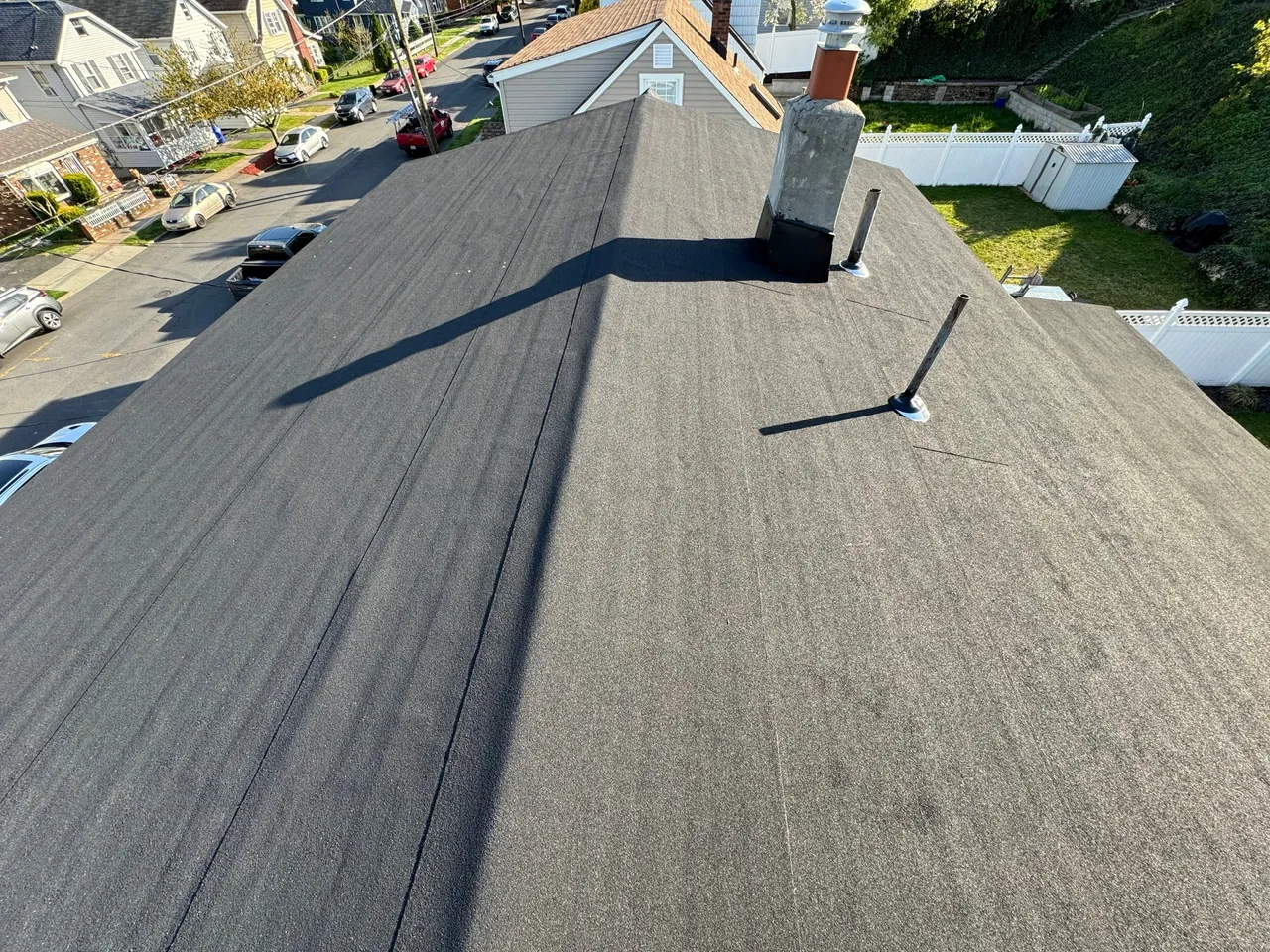
A roof replacement rarely happens in a vacuum. In Succasunna, the schedule, cost, and even the way a crew installs materials can shift with the weather. Homeowners often focus on shingles, color, warranty, and price, which makes sense. But after years around roofing projects in North Jersey, one thing becomes clear fast: weather drives the job more than most people expect.
That is especially true in Morris County, where conditions can turn quickly. A dry, bright morning can give way to afternoon humidity, wind gusts, or an evening storm cell. Winter brings freeze and thaw cycles that are hard on roofing systems. Summer can heat shingles and decking to punishing temperatures. Spring and fall, usually the busiest seasons for Roof Replacement Succasunna, NJ, offer some of the best working windows, but they also bring their own surprises.
Understanding how local weather affects a roofing project helps homeowners make better decisions before the first bundle is delivered. It also helps set realistic expectations. A delayed project is not always a sign of poor planning. Sometimes it is the sign of a contractor making the right call.
Why Succasunna weather matters more than people think
Roofs sit at the mercy of every season. In a place like Succasunna, where homes see snow, ice, rain, humidity, strong sun, and the occasional wind event, that constant exposure takes a toll. Roofing materials expand and contract. Sealants cure differently depending on temperature. Underlayment has to stay dry. Decking needs to be sound and stable before a new roof goes on.
A homeowner might look outside and think, "It is not raining, so why not work today?" Roofing crews have to look deeper than that. They are watching overnight temperatures, surface moisture, wind direction, dew point, and the forecast for the next several hours. If they strip a roof and a storm pushes in sooner than expected, the house is exposed. If shingles are installed in cold conditions without proper hand sealing or nailing adjustments, the roof may not perform as intended.
That is why experienced contractors in this area build weather flexibility into their schedules. It is not padding. It is protection.
Rain is the most obvious issue, but not the only one
Rain is the weather problem homeowners recognize first, and for good reason. Once the old roof is removed, even a light shower can create trouble. Roof decking can absorb moisture quickly. Attics can get wet. Insulation can hold that moisture long after the rain stops. Interior staining may show up days later, long after the crew has left.
What catches many people off guard is that even recent rain can delay a project. A roof can look dry from the driveway while still holding moisture in shaded areas, valleys, around penetrations, or on the decking under old materials. Installing new roofing products over damp surfaces is asking for trouble. Adhesion can suffer. Trapped moisture can shorten the life of wood components and create conditions for mold growth.
On a real job, this often shows up in small, frustrating ways. A crew arrives, pulls a few test areas, and finds damp sheathing near the chimney or along the north-facing slope. Everything else may be ready, but that wet area changes the pace of the day. Good crews adjust. They do not rush past it.
Wind changes both safety and installation quality
Wind does more than blow debris around the yard. It affects worker safety, shingle handling, material staging, and the ability to keep underlayment flat and secure during installation. Once wind speeds pick up, large roofing components become awkward fast. A sheet of plywood or synthetic underlayment can act like a sail. Even bundles of shingles, which are heavy enough on the ground, become harder to place accurately when a gust hits at the wrong time.
There is also the matter of the finished roof. Shingles need to lie flat and seal properly. If a crew is fighting wind all day, placement can become less precise. On steep roofs, strong gusts create obvious fall hazards. Around ridges and edges, the risk increases. A contractor who delays work because of wind is not being overly cautious. That contractor is protecting both the crew and your roof system.
Succasunna neighborhoods with mature trees can feel calmer at ground level than they do on the roof. That mismatch causes misunderstandings sometimes. A homeowner may stand in the driveway and feel a mild breeze. Up on the ridge, it is a different story.
Cold weather roofing is possible, but it is not identical
Many homeowners assume roofing shuts down completely in winter. That is not always true. Roof replacement can happen in cold months, including parts of winter, if conditions allow and the crew adjusts its methods. But cold-weather roofing is different, and homeowners should know what that means.
Shingles can become less flexible when temperatures drop. That makes them more vulnerable to cracking during handling, especially on colder mornings. Adhesive strips, the sealant lines that help shingles bond to each other, may not activate immediately in low temperatures. They often need time and sunlight to seal fully. Installers may also need to hand seal certain areas, depending on product instructions and conditions.
Ice is an even bigger concern. A roof surface that looks manageable from below may still have slick patches near eaves or shaded slopes. Frost can make a roof unsafe before sunrise, even on an otherwise clear day. That is one reason winter crews often start later. Homeowners who see a truck arrive after normal working hours sometimes assume the crew is behind. In reality, they may be waiting for safe surface conditions.
Cold weather also reveals hidden damage. Freeze and thaw cycles can open vulnerable areas around flashing, pipe boots, and valleys. When old shingles come off, crews may discover soft decking near ice dam zones or around poorly ventilated attic sections. Those repairs are not always visible from the ground.
Snow, ice dams, and the damage they leave behind
In North Jersey, winter roof damage is not just about the weight of snow. It is often about what happens when attic heat escapes unevenly. Snow melts higher on the roof, runs down toward the colder eaves, and refreezes. That ridge of ice traps water behind it. Once water backs up under shingles, leaks can develop along exterior walls, around soffits, and near insulation-packed attic edges.
By the time spring arrives, a roof can look mostly normal from the outside while hiding moisture damage underneath. During a roof replacement in Succasunna, those trouble spots often appear at the lower edges of the roof, around valleys, and near penetrations where drainage patterns concentrate water.
This is one reason ice and water protection matters so much in this region. Building code requirements vary by jurisdiction and roof design, and manufacturers have their own specifications, but the principle is straightforward. Areas that are more vulnerable to water backup need stronger protection beneath the visible roofing material.
When a contractor talks about winter-related damage, they are not upselling by default. In many cases, they are responding to damage patterns that are common in climates like this one.
Summer heat creates a different set of problems
Homeowners often see summer as the ideal time for construction, and it can be productive. Longer daylight hours help. Sudden freezes are not an issue. Sealant strips usually activate well in warm weather. But high heat brings its own challenges.
Roof surfaces get much hotter than the air temperature. On a 90-degree day, dark shingles can be significantly hotter under direct sun. That affects both people and materials. Crews fatigue faster. The roof surface can soften. Foot traffic must be managed carefully to avoid scuffing or damaging freshly installed shingles. Certain sealants and adhesives also behave differently in heat, becoming more workable, but sometimes messier or more prone to tracking if the surface is too hot.
Attic heat is another issue. During tear-off, that trapped heat rises through the decking, making upper roof sections especially punishing in mid-afternoon. Well-run crews account for this with hydration, pacing, and smart sequencing. Sometimes they will start on the most sun-exposed slopes early, then shift as the day heats up.
Summer storms are also less predictable than people assume. A clear morning can flip quickly into a thunderstorm pattern. That risk is one reason roofing crews watch radar closely, not Roof Replacement Succasunna, NJ just daily forecasts.
Spring and fall are popular for a reason
If homeowners ask for the best time to schedule Roof Replacement Succasunna, NJ, the answer is usually spring or fall, with some caveats. Those seasons often offer the most stable mix of workable temperatures and manageable daylight. Materials are easier to handle than in deep winter. Heat stress is usually less severe than in peak summer. Sealants tend to behave well, and crews can maintain a steady pace.
The catch is that everyone knows this. Spring and fall are typically the busiest times for reputable roofers. That means lead times can stretch, especially after storm events or periods of prolonged rain. It also means schedules are more vulnerable to backlog if bad weather stacks up for several days in a row.
A homeowner who waits until the first leak in October may find that the best contractors are already booked well into the season. In practice, the smartest move is often to schedule an inspection early, before the urgency arrives.
Humidity, dew, and moisture you cannot always see
One of the least appreciated weather factors is humidity. Roofing materials can look dry and still hold surface moisture from overnight dew or high humidity. This matters most in the morning and on shaded roof planes. A contractor may delay tear-off for an hour or two while waiting for the roof to dry completely. That may feel like lost time to a homeowner watching the clock, but it can prevent bigger problems later.
Moisture also affects wood decking. Plywood and OSB respond to changing moisture levels. When decking is too wet, fastener hold can be less reliable, and trapped moisture below new underlayment is never a good idea. If a home has poor attic ventilation, that moisture can linger longer than expected.
The practical lesson here is simple. A dry forecast does not always equal a dry roof.
How experienced contractors plan around the forecast
The best roofing schedules are not rigid. They are disciplined, but flexible. In this climate, crews need room to shift start dates, resequence jobs, or split work across days if conditions change. That does not mean homeowners should accept vague communication. It means the contractor should explain what weather thresholds matter and how they handle them.
Some crews will not tear off a roof unless they have a clear installation window and a backup plan if weather changes. Others may stage the job in sections on more complicated roofs, especially where multiple valleys, dormers, or steep pitches make rapid dry-in more difficult. Homes with older decking or several existing problem areas also demand a little more caution because hidden repairs are more likely.
A seasoned roofer learns to read patterns, not just percentages on a weather app. A 30 percent chance of rain is not a meaningful planning tool by itself. Timing, storm type, wind front, and humidity trend all matter.
Here are a few questions worth asking before the project begins:
- What weather conditions would cause you to delay or stop the job?
- How do you protect the house if conditions change mid-project?
- Will you replace damaged decking if you find it, and how is that priced?
- How do cold or hot temperatures change your installation process?
- Who communicates schedule changes, and how quickly?
Those questions usually tell you a lot about the contractor’s judgment.
The hidden role of attic ventilation
Roof replacement and weather are inseparable, but attic conditions shape how well the new roof handles that weather over time. Poor ventilation can worsen heat buildup in summer and contribute to uneven roof temperatures in winter. That uneven temperature pattern is one of the ingredients behind ice dams.
A replacement project is often the right time to address ridge vents, soffit intake, bath fan exhaust termination, and insulation-related airflow blockages. None of those issues are glamorous. Homeowners rarely get excited about them the way they do about architectural shingles or a sharp new roofline. But they matter. A roof that looks great and traps heat or moisture underneath is not a complete solution.
This is one place where weather leaves fingerprints on the inside of the house. If an upstairs room is always hot in July, or if you have a history of ice buildup at the eaves in winter, those are signs worth discussing during the estimate. A contractor who ignores ventilation in this climate is missing a major part of the picture.
Weather affects cost, sometimes indirectly
Rain delays and winter conditions do not always show up as separate charges on an invoice, but weather still influences project cost. It can increase labor time, require more jobsite protection, extend equipment rental, or reveal hidden substrate damage once the old roof comes off. If storm damage has accelerated deterioration, flashing and decking repairs may be more extensive than a surface inspection suggested.
Material handling also changes with the season. Cold-weather installations can move more slowly. Hot-weather work may require shorter production bursts and earlier starts. These are not dramatic cost multipliers by themselves, but they are real operational factors.
Homeowners should be wary of estimates that pretend weather never complicates a roof replacement in North Jersey. Clean, simple pricing is good. Unrealistic pricing is not.
What homeowners can do before the crew arrives
Homeowners cannot control the forecast, but they can make the job smoother and reduce weather-related stress. Preparation helps more than people realize, especially when a schedule has to move quickly around a good weather window.
A few practical steps make a noticeable difference:
- Clear vehicles from the driveway and keep access open for material delivery.
- Move patio furniture, grills, and potted plants away from the work zone.
- Trim back branches that overhang roof edges if the contractor recommends it.
- Let the crew know about any known attic leaks, ceiling stains, or ventilation issues.
- Expect some schedule movement and keep communication lines open the week of the job.
Those small adjustments help crews work efficiently when a weather window opens.
A realistic timeline beats a perfect promise
One of the biggest mistakes homeowners make is choosing a contractor based on the most confident schedule rather than the most credible one. A promise like "we never delay for weather" should not reassure you. It should make you nervous. Roofing is an outdoor trade. Weather delays are part of doing it responsibly.
For a straightforward home in good condition, the actual replacement may still move quickly once the right conditions line up. Many asphalt shingle roofs can be completed in a day or two under favorable conditions. Larger homes, complex rooflines, steep pitches, or unexpected decking repairs can extend that timeline. So can wind, heat, cold, and moisture.
What matters is not whether weather affects the job. It will. What matters is whether the contractor knows how to manage that reality without compromising the roof.
The roof you install has to survive the roof you just removed
That is the part homeowners sometimes miss. The old roof already tells a weather story. Curled shingles may point to age and heat. Granule loss can reflect years of sun and runoff. Rot near the eaves may trace back to snow and ice. Lifted flashing may suggest repeated wind exposure. Dark staining in the attic can hint at condensation or poor ventilation. A good replacement project pays attention to those clues rather than simply covering them up.
In Succasunna, a roof has to handle four true seasons, not a generic set of conditions pulled from a brochure. That means details matter. Flashing details matter. Ventilation matters. Ice and water protection matters. Crew judgment matters. Scheduling around the weather matters more than most people expect.
A roof replacement is not just a purchase. It is a weather-management project installed on top of your home. If the contractor treats local weather as a minor inconvenience, that is a warning sign. If they treat it as part of the craft, you are probably talking to the right company.
Royalty Exteriors
151 NJ-10 Suite 103A, Succasunna, NJ 07876, United States
+1 973-333-7234
FAQ About Roof Replacement Succasunna, NJ
What are signs a roof needs replacing?
Widespread shingle deterioration, repeated leaks, or damaged decking can point to a larger problem. A roofer can inspect the roof covering, flashing, and deck to determine whether the damage is localized or whether replacement makes more sense.
How long does it take to reroof a 2000 square foot house?
Royalty Exteriors estimates one to three days for many single-family roof replacements. A house’s floor area does not tell you the actual roof area. Pitch, roof features, weather, and any decking repairs can change the schedule.
How long should a roof last in NJ?
There is no single lifespan for every roof. Material, installation quality, attic ventilation, maintenance, and exposure to storms all affect how long a roof remains serviceable. An inspection can help you assess its condition and plan for replacement.