Roof Replacement Succasunna, NJ: What to Expect From Start to Finish
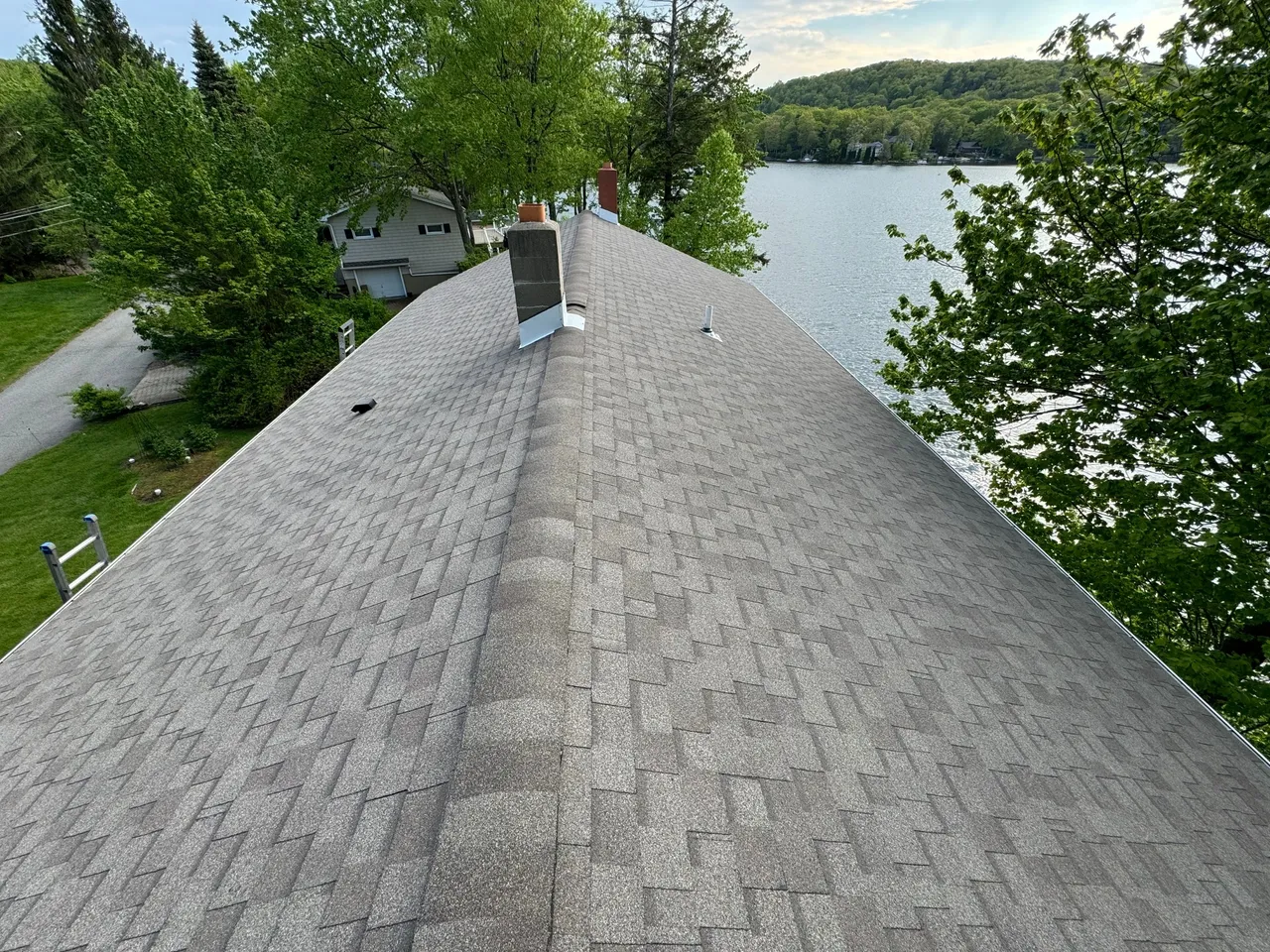
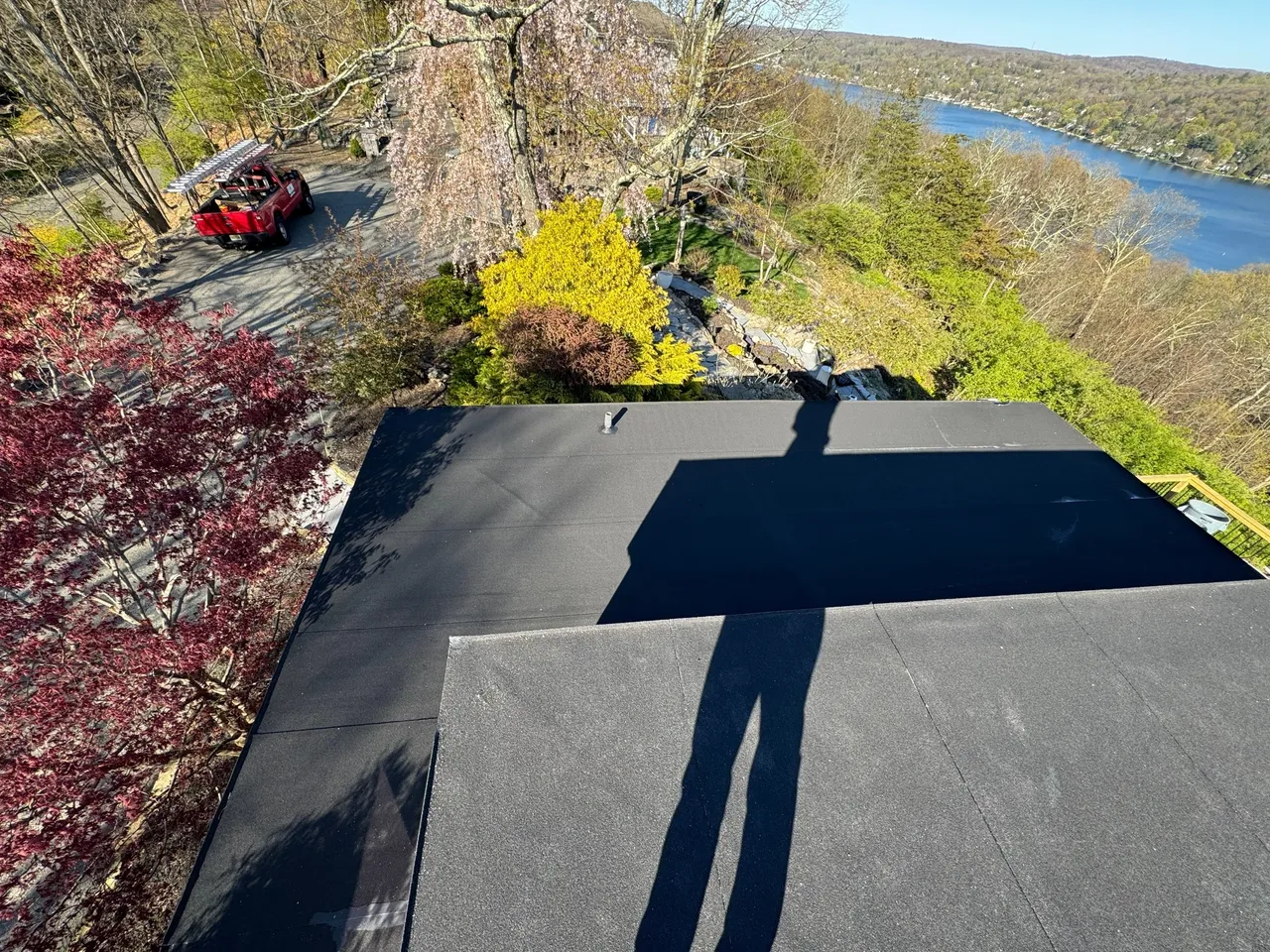
A full roof replacement is one of those home projects that most people put off until they cannot. A stain spreads across a bedroom ceiling after a hard rain. Shingles begin collecting in the gutters. A repair that used to buy a few more years suddenly stops working. At that point, the questions come fast. How disruptive will this be? How long does it take? What does the contractor actually do from the first visit to the final cleanup?
If you are planning a roof replacement in Succasunna, NJ, it helps to understand the process before the first truck pulls into the driveway. Morris County weather is not gentle on roofs. Freeze and thaw cycles, summer heat, heavy rain, snow loads, and wind all take their turn. Even a well-built roof eventually reaches the point where patching stops making financial sense. Knowing what to expect lets you make better decisions, ask sharper questions, and avoid surprises that turn a necessary project into a stressful one.
Why homeowners replace roofs in this part of New Jersey
Roofs in northern New Jersey age under real strain. Asphalt shingles, which are the most common residential roofing material in the area, can perform well for decades under the right conditions. Still, performance on paper and performance in the field are not always the same thing. Ventilation issues in the attic, ice damming near the eaves, storm damage, Roof Replacement Succasunna, NJ and poor installation details can shorten a roof’s useful life.
In neighborhoods around Succasunna, it is common to see roofs replaced not because they are actively collapsing, but because the system is nearing the end of its reliable service life. Homeowners often call for an estimate after noticing repeated leaks, widespread granule loss, curling shingles, flashing issues around chimneys, or sagging in isolated sections. Sometimes the roof itself is only part of the story. Water may be getting in around pipe boots, skylights, valleys, or wall intersections, and the accumulated wear reveals that the entire assembly needs attention.
There is also the practical side. If a roof is around 20 to 30 years old, depending on material and installation quality, many homeowners decide replacement is smarter than paying for repairs that become more frequent each season. If you are planning to sell in the near future, a new roof can also remove a major objection for buyers who do not want to inherit a looming exterior expense.
The first visit, what a thorough estimate should look like
The process usually starts with an inspection and estimate. A good contractor will not quote a roof replacement from a single satellite image and a rough square count alone. Remote tools can help, but they do not replace a real assessment of the roof condition, flashing details, decking concerns, ventilation, access challenges, and the areas around the home that will need protection during tear-off.
During that first visit, expect the contractor to look at the roof surface, roof penetrations, gutters, attic ventilation, and sometimes the attic interior if access is available. That attic check matters more than many homeowners realize. It can reveal moisture issues, mold-like staining from poor airflow, compressed insulation near soffits, or signs that warm air is escaping from the house and creating winter problems at the roof edge.
A clear estimate should describe what is being removed, what is being installed, and what assumptions are being made. If the decking underneath the shingles is damaged, that often cannot be fully confirmed until tear-off begins. A trustworthy estimate explains how replacement wood will be priced if it is needed, rather than burying that detail until the project is underway.
This is also the moment to talk about materials. Many homeowners focus only on shingle color and brand, but the full roofing system matters more. Underlayment, ice and water protection, starter shingles, ridge components, flashing metal, ventilation parts, and fastener practices all affect performance. A roof is a layered assembly, not just the visible top surface.
When repair is still reasonable, and when replacement is the smarter move
Not every roofing problem requires a full replacement. A missing shingle after a wind event, a damaged pipe boot, or a localized flashing failure can often be repaired effectively if the rest of the roof is in solid condition. The challenge is that isolated repairs on an older roof do not reverse age. They only address one symptom.
A few signs often point toward replacement being the better investment:
- leaks in more than one area
- shingles that are curling, cracking, or losing granules across broad sections
- repeated repairs over the last few years
- soft or rotted decking beneath problem spots
- a roof approaching the end of its expected lifespan
The tipping point is usually not one dramatic failure. It is accumulation. Once multiple components are tired at the same time, replacement becomes less about aesthetics and more about restoring the home’s weather protection as a whole.
Scheduling the project in Succasunna, NJ
One of the most common questions about Roof Replacement Succasunna, NJ homeowners ask is timing. Roofing can happen in many seasons, but weather windows matter. Spring through fall tends to be the busiest period, largely because temperatures are moderate and daylight lasts longer. That said, a roof replacement can often be completed in colder months if conditions are safe and materials are handled properly.
Scheduling depends on contractor availability, permit requirements if applicable, material lead times, and weather. Rain can push dates back. So can high winds, especially on steeper roofs or larger homes. A small straightforward ranch may move from contract to installation fairly quickly. A larger home with multiple valleys, dormers, skylights, and chimney work takes more planning.
What homeowners often underestimate is the difference between project duration and project lead time. The roof itself may take one to three days for an average home once the crew starts. Getting to that start date may take several weeks during peak season. If your roof is aging but not yet leaking, it is wise to plan ahead instead of waiting for emergency conditions.
Choosing materials with durability in mind
Most residential replacements in this area use architectural asphalt shingles, and for good reason. They balance cost, appearance, availability, and performance reasonably well. They also come in colors that work with the varied home styles found across Succasunna, from colonials to split-levels to ranch homes.
Still, material selection should go beyond color boards. Ask how the underlayment is being specified in vulnerable areas. In New Jersey, ice and water membrane protection at roof edges and in valleys can be especially important because of winter weather patterns. Proper flashing details around chimneys and sidewalls are just as critical. Many roof leaks blamed on shingles are really flashing failures.
Ventilation deserves equal attention. A new roof installed over a poorly ventilated attic may look great on day one and still age faster than it should. Intake at the soffits and exhaust at the ridge or other balanced points help control heat and moisture. This is not a cosmetic detail. It can affect shingle longevity, attic comfort, and even the performance of insulation.
Homeowners sometimes ask whether it is worth upgrading to premium shingles or impact-rated products. The answer depends on budget, house exposure, and long-term plans. If you expect to stay in the home many years, spending more on a stronger system can make sense. If you are focused on reliable protection and resale readiness, a solid mid-range architectural shingle from a reputable manufacturer is often a practical choice.
What happens before tear-off day
Once the contract is signed and the schedule is set, there is a brief pre-construction phase. Materials may be delivered a day or two before the job starts. Shingles are often placed on the roof or staged nearby depending on access and roof design. Dump trailers or debris containers may arrive as well, though some crews use dump trucks and remove debris continuously.
This is the point when communication matters. Homeowners should know when the crew expects to arrive, where vehicles and containers will be placed, and what areas need to be cleared. It is also smart to discuss landscaping, delicate plantings, sprinkler heads near the house, and any tight access points around fences or detached garages.
A good crew will protect siding, windows, decks, and shrubs as part of their normal setup. Even with care, roof tear-off is an active demolition process. Old shingles, nails, felt, and wood fragments come off quickly. Protection and cleanup should be built into the way the contractor works, not treated as an extra.
Here are a few simple ways to prepare the house before installation begins:
- move vehicles out of the driveway and away from the garage
- take down wall decorations or fragile items inside upper rooms, vibration can shake them loose
- cover stored belongings in the attic if the space is dusty or unfinished
- keep pets indoors and plan for extra noise throughout the day
- let neighbors know the project is scheduled, especially if homes are close together
Those steps are small, but they make the day run more smoothly.
Tear-off day, noisy, fast, and more methodical than it looks
When the roof replacement begins, the first major phase is tear-off. This is the loudest and messiest part from the homeowner’s perspective. Crews strip off old shingles and underlayment, exposing the roof deck beneath. To someone watching from the yard, it can look chaotic. In a well-run project, it is not. Good roofers work in sections, maintain footing, protect vulnerable areas, and manage debris with a clear rhythm.
Once the surface is removed, the real condition of the roof deck becomes visible. This is when hidden problems come to light. Plywood or plank decking around chimneys, valleys, bathroom vents, or long-standing leak areas may need replacement. Homes that have had multiple layers of old roofing in the past sometimes reveal uneven surfaces or patchwork repairs that need to be corrected.
This stage is important because it sets the foundation for everything that follows. New shingles installed over weak or rotted decking are not a proper roof replacement. They are a cosmetic cover over structural deterioration. If repairs are needed, the contractor should show you what was found and explain the remedy in plain terms.
For many homeowners, this is the most nerve-racking moment, especially if they hear the words "bad wood." The practical approach is to expect that some homes, particularly older ones, will need at least minor deck repairs. That does not mean the project is going off the rails. It means the crew is dealing with the roof honestly instead of burying the problem.
Building the new roof system
After decking issues are addressed, the new assembly begins. Underlayment goes down first, along with ice and water protection where specified. Metal drip edge and flashing details are installed or replaced as needed. Then come starter shingles, field shingles, and ridge components.
This is where quality separates itself from surface appearances. From the street, many roofs look similar at first glance. The difference shows up years later in whether shingles stay sealed, whether valleys channel water cleanly, whether flashing sheds water instead of trapping it, and whether ventilation helps the roof dry and age evenly.
Nailing patterns matter. So does aligning shingle courses correctly. So does not rushing flashing work around chimneys, skylights, wall intersections, and vent pipes. Those details rarely make for dramatic before-and-after photos, but they are often where long-term performance is won or lost.
If your home has special features such as skylights, a masonry chimney, solar hardware, or low-slope transitions, those should receive extra scrutiny. These are common leak points on many houses, especially if earlier installations cut corners. A roof replacement is the right time to correct them.
How long the job usually takes
For a typical single-family home in Succasunna, a straightforward roof replacement often takes one to three days. A modest ranch with simple geometry may be completed in a day under ideal conditions. Larger homes, steep pitches, detached structures, extensive decking repair, or weather interruptions can push the timeline longer.
The size of the crew also affects duration, but speed alone is not the goal. A job completed quickly and cleaned thoroughly is impressive only if the details are done right. Homeowners should expect progress to feel fast once work starts. Roofing crews tend to begin early, move continuously, and cover a lot of visible ground in a short time.
If bad weather arrives mid-project, contractors usually secure the exposed areas with underlayment or temporary waterproofing before stopping. That is standard practice. The key is planning around the forecast so the roof is never left vulnerable unnecessarily.
Cleanup is part of the job, not an afterthought
At the end of installation, the roof may look finished, but the project is not truly complete until cleanup is done properly. Old shingles, packaging, cutoffs, and nails should be removed from the property. Reputable crews use magnetic rollers to collect stray nails from the driveway, lawn, planting beds, and walkways. Even then, it is reasonable to stay aware for a few days, especially if your yard has thick mulch or gravel where small metal pieces can hide.
Good cleanup also includes a final inspection of gutters, siding, and the perimeter around the house. Some granules and dust are normal. Piles of debris are not. If the contractor used a dumpster or trailer, that should be hauled away promptly after the work is finished.
One thing I have seen homeowners appreciate most is a walk-through at the end. Not every contractor does it automatically, but it is worthwhile. The crew leader or project manager can point out ventilation changes, flashing replacements, decking repairs, and any notable conditions discovered during tear-off. That brief conversation often answers lingering questions and gives the homeowner confidence that the finished roof is more than a visual upgrade.
The cost question, and why estimates can vary
Roof replacement pricing can vary widely, even for houses that look similar from the street. That confuses homeowners because the line items are not always obvious. Roof size matters, but complexity matters almost as much. Valleys, dormers, skylights, chimney flashing, steep sections, and difficult access all affect labor time and risk.
Material choices also change the number. So do disposal costs, the need for new decking, and whether ventilation improvements are part of the proposal. A lower estimate is not automatically a better value if it leaves out critical details or assumes the bare minimum. One contractor may include upgraded underlayment, ridge ventilation, new flashing, and stronger cleanup practices. Another may quote a simpler scope that looks cheaper until change orders begin.
For Roof Replacement Succasunna, NJ residents comparing bids, the goal should be clarity Roof Replacement Succasunna, NJ before price. Ask what is included. Ask how damaged wood is handled. Ask whether old flashing is being reused or replaced. Ask what kind of ventilation changes are recommended and why. Those answers tell you more than the bottom line alone.
What can go wrong, and how good planning prevents it
Most roofing problems during replacement are preventable. Miscommunication is a common one. Homeowners may assume gutters are included when they are not, or expect chimney masonry work when the contract only covers flashing. The fix is simple. Read the proposal closely and ask questions before the job starts.
Another issue is underestimating interior noise and vibration. During tear-off and nailing, the house will feel active. If someone works from home, has small children napping, or cares for a noise-sensitive pet, plan the day around that reality.
Weather delays are another source of frustration, but in roofing, caution is often a sign of professionalism. Pushing a crew onto a wet, windy, or storm-threatened roof can create far more trouble than waiting a day or two. Homeowners may not love the delay, but they usually appreciate the outcome.
Finally, there is the temptation to overlay new shingles on top of an existing roof to save money. In some jurisdictions and situations, it may be permitted. In practice, full tear-off is usually the better route because it exposes deck problems, reduces weight, and gives the new roof a cleaner substrate. For most long-term homeowners, that is the more dependable investment.
After the roof is done
Once the project is complete, keep your paperwork. Save the contract, warranty information, final invoice, and any photos of decking repairs or flashing updates. If you sell the house later, buyers often ask for proof of major improvements. It is also helpful to know exactly what system was installed if storm damage ever leads to an insurance claim.
A new roof does not require constant attention, but it should not be ignored either. Check it from the ground after major storms. Keep gutters clear. Watch for branches rubbing against shingles. If you have an attic, glance up there a few times a year for signs of moisture or staining. Small maintenance habits can protect a major investment.
For homeowners in Succasunna, replacing a roof is rarely just about shingles. It is about restoring the home’s first layer of defense against rain, snow, wind, and seasonal temperature swings. Done well, the project feels less mysterious than most people expect. It starts with a careful inspection, moves through honest evaluation and organized installation, and ends with a roof system built to handle the local climate with fewer worries overhead.
That is what homeowners should expect from start to finish, not sales language, not guesswork, but a well-planned process carried out with skill, communication, and attention to the details that actually keep a house dry.
Royalty Exteriors
151 NJ-10 Suite 103A, Succasunna, NJ 07876, United States
+1 973-333-7234
FAQ About Roof Replacement Succasunna, NJ
What are signs a roof needs replacing?
Widespread shingle deterioration, repeated leaks, or damaged decking can point to a larger problem. A roofer can inspect the roof covering, flashing, and deck to determine whether the damage is localized or whether replacement makes more sense.
How long does it take to reroof a 2000 square foot house?
Royalty Exteriors estimates one to three days for many single-family roof replacements. A house’s floor area does not tell you the actual roof area. Pitch, roof features, weather, and any decking repairs can change the schedule.
How long should a roof last in NJ?
There is no single lifespan for every roof. Material, installation quality, attic ventilation, maintenance, and exposure to storms all affect how long a roof remains serviceable. An inspection can help you assess its condition and plan for replacement.